The Art of Sound Design for Film: Crafting Worlds Through Audio
Working in audio post-production in Los Angeles, you learn quickly that sound is never just background. It is a living, breathing part of every scene. I have spent years in the L.A. post-production scene, sitting in darkened rooms with re-recording mixers and foley artists, shaping the sonic identity of commercials, trailers, and screen projects. And if there is one thing I have learned, it is that sound design for film is not an afterthought. It is the invisible hand that guides emotion, builds tension, and makes the unreal feel utterly real.
When I first started out, I thought good sound meant clear dialogue and a few well-placed effects. But after long sessions at the console, watching a scene transform under the hands of a skilled sound mixer, I understood the depth of the craft. Sound design for film is about storytelling through noise, silence, and everything in between. It is the art of choosing the exact texture, pitch, and timing to support the narrative without the audience ever noticing the work.
The Foundations: Tools and Traditions
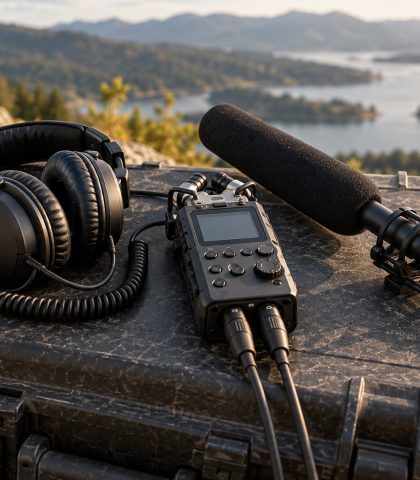
Every sound designer has their go-to tools. For most of us in professional post-production, Pro Tools by Avid is the central workstation. It is the industry standard for a reason: the timeline precision, the routing flexibility, and the ability to handle massive sessions with dozens of tracks of Foley, dialogue, and effects. I have seen editors build entire worlds in Pro Tools, layering footsteps on a wooden floor with a subtle creak from a Neumann microphone, then blending in the ambient hum of a soundstage recorded with a Sennheiser shotgun.
But the tools only matter if you have the ears and the vision. The greats like Ben Burtt and Walter Murch showed us that sound design is as much about invention as it is about recording. Burtt created the voice of R2-D2 from a combination of synthesizers and water sounds, and he crafted the lightsaber hum from a film projector and an old television set. Murch, working on Apocalypse Now, used a combination of tape loops and live recordings to create the jungle atmosphere that became a character of its own. These techniques are still taught and practiced today, often with modern tools like iZotope for spectral editing and noise reduction, but the core principle remains: listen deeply and experiment without fear.
Foley and the Art of the Real
One of the most fascinating parts of sound design for film is Foley. Named after sound-effects pioneer Jack Foley, this is the art of recreating everyday sounds in sync with the picture. A foley artist will walk on different surfaces, crinkle fabrics, break celery, and handle props to match the on-screen action. I once watched a foley artist spend an entire afternoon perfecting the sound of a character putting on a leather jacket. The rustle, the zip, the slight stretch of the material, all of it had to feel authentic. They used a vintage jacket and a Neumann microphone positioned just right to capture the texture.
Foley is not just about realism. It is about emotional truth. A door closing in a horror film needs to sound heavier, more final than a door closing in a comedy. The foley artist and the sound mixer work together, adjusting the weight and reverberation to fit the mood. That is where craft meets intuition. And it is why studios like Skywalker Sound have dedicated Foley stages with thousands of props and surfaces. You cannot fake that level of detail with samples alone.
Dialogue, ADR, and the Voice
Dialogue is the backbone of most films, but production sound is rarely perfect. Wind, traffic, or a noisy air conditioner can ruin a take. That is where ADR, or automated dialogue replacement, comes in. Actors come to a soundstage and re-record their lines while watching the picture. The goal is to match the original performance so seamlessly that no one ever notices the replacement. A good re-recording mixer will blend the ADR with the production sound, using equalization and reverb to make it feel like it was recorded on set.
I have seen ADR sessions that took hours for a single line, just to get the right breath and inflection. It is tedious work, but it saves a film. And when it is done well, the audience stays in the story. The best ADR sounds like it was never replaced. That is the invisible art of post-production.
Mixing and the Immersive Experience
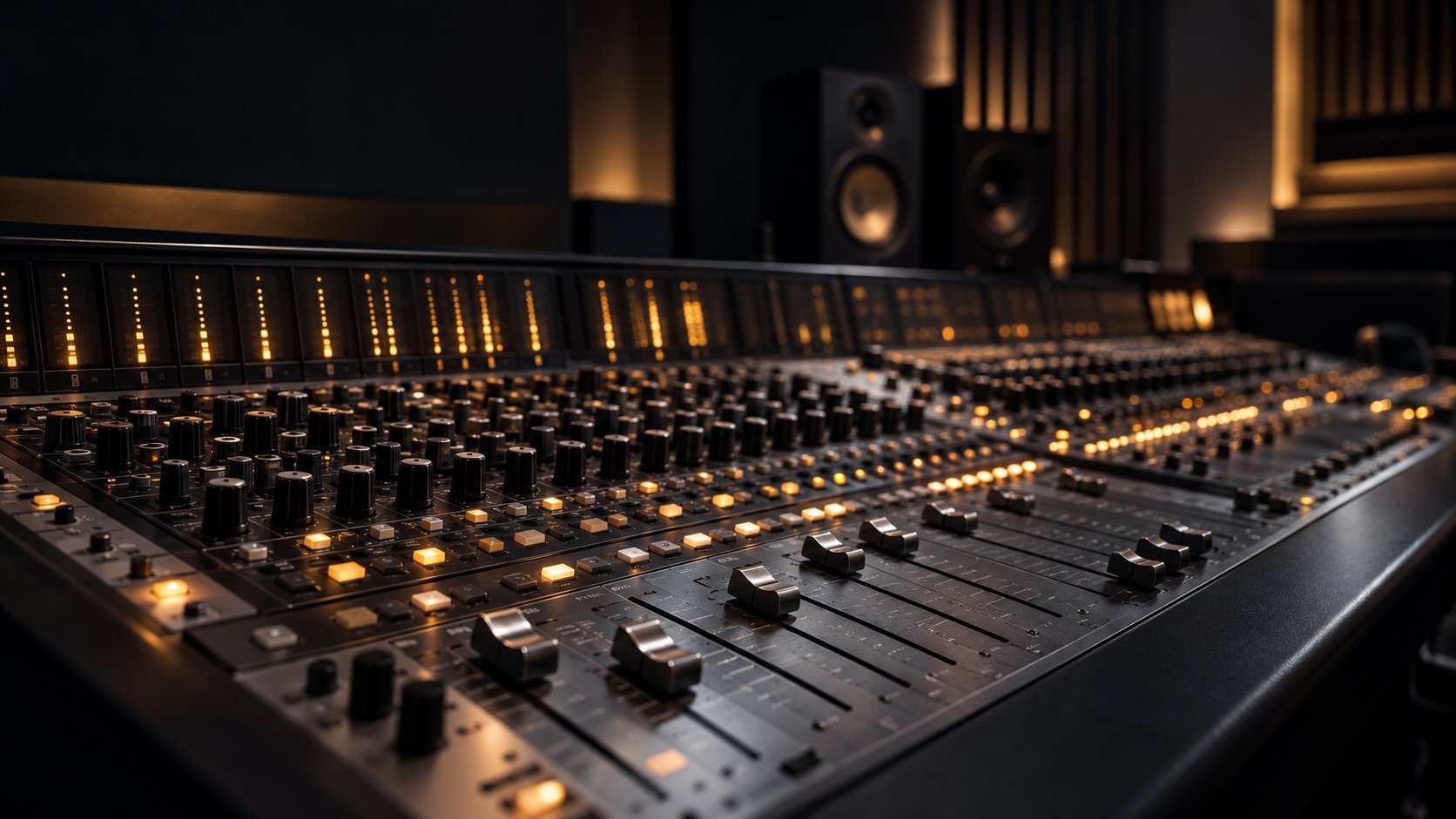
Once all the elements are prepared, dialogue, Foley, sound effects, music, the mix begins. This is where the sound mixer or re-recording mixer balances every layer to create a cohesive soundtrack. In a Dolby Atmos mix, sounds can be placed in three-dimensional space, moving around the audience and above them. Atmos is not just for blockbusters. I have worked on trailers and short films that used Atmos to create a sense of immersion that stereo could not touch. The format forces you to think spatially, to consider where a sound comes from and how it moves.
Working in Atmos means using tools like Ambisonics for capturing and rendering spatial audio. It also means understanding how different playback systems will handle the mix. A film might be mixed for a cinema with dozens of speakers, but it will also be heard on laptops and phones. The challenge is to create a mix that translates well across all those environments without losing the intended impact.
The Business and the Craft
Los Angeles is a hub for post-production sound. The L.A. post-production scene is dense with talent, from small boutique studios to major facilities like Skywalker Sound. Every project comes with its own set of constraints: budget, timeline, creative expectations. I have learned that good sound design for film is about making smart compromises. You cannot always record custom Foley for every footstep, but you can choose the right sample and process it to fit. You might not have access to a full soundstage, but you can treat your room and use close miking to capture clean audio.
One of the most important skills is communication. A sound designer works with directors, producers, editors, and composers. You need to understand what the director envisions and translate that into practical choices. Sometimes you have to explain why a particular sound effect works or why a certain reverb creates the wrong mood. Other times you just listen and try things until something clicks. That iterative process is where the magic happens.
Lessons from the Masters
If you study the work of Ben Burtt or Walter Murch, you see that they treated sound as a narrative tool, not a technical afterthought. Burtt said that the best sound effects are the ones you do not notice because they feel inevitable. Murch spoke about the "emotional bandwidth" of sound and how it can carry a scene. These ideas are not just for big-budget films. They apply to any project, whether it is a thirty-second commercial or a feature-length documentary.
In my own work, I try to keep those lessons in mind. When I am designing a sound for a trailer, I think about the rhythm: the pacing of cuts, the rise of the music, the placement of a single impact sound. Every element has to serve the story. If a sound does not push the emotion forward, it is probably unnecessary. That is the discipline of sound design for film. It is about knowing when to add and when to subtract.
Practical Advice for Beginners
If you are starting out, my advice is simple: listen to everything. Record everyday sounds with a decent microphone, a Sennheiser or even a Neumann if you can borrow one. Build a library of your own sounds. Learn Pro Tools until it feels like an extension of your hands. Watch films with your ears closed, then again with your eyes closed. Notice how the sound changes your perception of a scene.
Also, seek out mentors. The L.A. post-production scene is collaborative. Many professionals are willing to share insights if you show genuine curiosity. Attend mix sessions, ask questions, and offer to help. The best way to learn is by doing, even if it means starting with small projects and working your way up.
Sound design is a craft that rewards patience and attention. It is not about having the most expensive gear or the latest plugins. It is about understanding how sound moves people and using that knowledge to tell better stories. That is the heart of the work. And that is why I keep coming back to the console, day after day, to shape the invisible world of film audio.